Ben Crump: A Tireless Champion for Civil Rights and Justice
Who is Benjamin Crump?
When I think about the landscape of civil rights law in America today, one name consistently comes to mind: Benjamin Crump. He isn't just an attorney; he's become, in my view, a potent symbol of the ongoing struggle for justice and accountability, especially for marginalized communities. Crump's presence in high-profile cases involving police brutality and racial injustice has made him one of the most recognizable legal figures of our time. It’s quite remarkable how he manages to be both a skilled litigator and an impactful public advocate simultaneously.
Born in Lumberton, North Carolina, in 1969, Crump's journey from humble beginnings to national prominence is, I think, incredibly inspiring. He pursued his education at Florida A&M University, where he earned both his undergraduate degree and his Juris Doctor. From what I understand, his early experiences and his background deeply informed his commitment to fighting for those who often feel voiceless within the legal system. It makes a lot of sense when you see the passion he brings to his work.
The Core of Crump's Legal Philosophy
Crump's legal philosophy, as I've observed it, isn't solely about securing financial settlements, though that's certainly a critical component for victimized families. Instead, it seems to me that his work is intrinsically linked to a broader mission: to shine a light on systemic injustices and compel societal change. He frequently articulates the idea that justice for one family can pave the way for justice for an entire community.
I'd say a few key tenets define his approach:
- Amplifying Marginalized Voices: Crump consistently takes on cases where the victims, often Black and brown individuals, are perceived to be at a disadvantage against powerful institutions like police departments or government entities. He makes sure their stories are heard.
- Advocacy Beyond the Courtroom: He understands the power of public opinion. Alongside legal maneuvers, Crump is adept at using media, press conferences, and public speaking to raise awareness, put pressure on authorities, and rally support for his clients. He's practically a master at it.
- Seeking Accountability: For Crump, accountability isn't just about monetary compensation; it's about holding individuals and institutions responsible for their actions. This often includes demanding policy changes, disciplinary actions, and sometimes even criminal prosecutions. I believe he's always aiming for something bigger than just a single case.
Landmark Cases and Their Impact
It's virtually impossible to talk about civil rights in the 21st century without mentioning several of Ben Crump’s cases. He's been at the forefront of some of the most emotionally charged and politically significant legal battles of recent decades. These cases, I think, didn't just capture national attention; they ignited global conversations about race, justice, and policing.
Trayvon Martin: A Catalyst for Change
Perhaps one of the earliest cases that brought Crump into the national spotlight was the 2012 shooting of Trayvon Martin. This incident, involving an unarmed Black teenager killed by a neighborhood watch volunteer, sparked outrage across the country. Crump represented Trayvon’s family, demanding justice and holding the system accountable. While the ultimate legal outcome for the shooter was acquittal, Crump's relentless advocacy, in my opinion, was instrumental in propelling the case to national prominence and helping to launch the Black Lives Matter movement. It really opened a lot of people's eyes.
George Floyd: A Moment of Global Reckoning
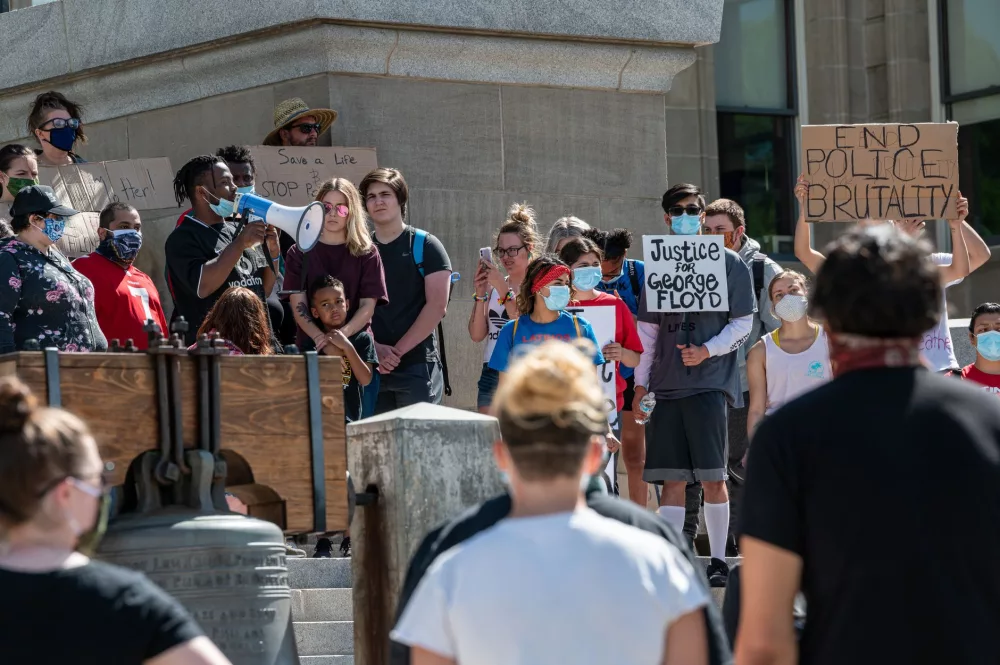
The 2020 murder of George Floyd under the knee of a Minneapolis police officer became a defining moment for the civil rights movement, and Ben Crump was right there, representing the Floyd family. His powerful statements and legal strategies, alongside co-counsel, were crucial in securing a historic $27 million civil settlement for the family and advocating for the criminal conviction of the officers involved. I believe his calm yet firm demeanor during that incredibly volatile period provided a much-needed steady hand for the family and the public.
Breonna Taylor: Fighting for Unseen Victims
Another tragic case Crump championed was that of Breonna Taylor, an EMT who was killed during a botched police raid in Louisville, Kentucky, in 2020. Representing her family, Crump tirelessly pushed for transparency and accountability for the officers involved. The case highlighted the dangers of 'no-knock' warrants and drew significant attention to police practices that disproportionately affect Black communities. Securing a $12 million settlement for the family was a significant victory, even as the fight for criminal charges against all officers continues, which I think is a clear indicator of his unwavering commitment.
Beyond These Headlines
Crump's portfolio extends far beyond these three cases. He has represented the families of countless other victims, including:
- Michael Brown (Ferguson, Missouri)
- Ahmaud Arbery (Brunswick, Georgia)
- Stephon Clark (Sacramento, California)
- Jacob Blake (Kenosha, Wisconsin)
In each instance, his strategy involves a combination of legal action and public education, ensuring these tragedies aren’t forgotten and that the conversations about reform keep happening. It seems to me he understands that change isn't instant; it's a marathon of sustained effort.
Challenges and Criticisms
Of course, a figure as prominent and outspoken as Ben Crump isn't without his critics. Some argue about the 'Crump machine,' suggesting his firm takes on too many cases or that his public advocacy sometimes overshadows the legal process. There are also financial aspects to consider, as his high-profile cases can generate significant fees. I can certainly see why those questions arise when an attorney becomes such a public figure.
However, from my perspective, these criticisms often miss a crucial point. Crump operates in an environment where the odds are often stacked against his clients. Police departments and governmental bodies typically have vast resources, and without a powerful advocate like Crump, many families might never get a fair hearing, let alone a settlement or any form of justice. His methods, while sometimes unconventional in traditional legal circles, are, I believe, necessary to counter the imbalance of power.
Looking Ahead: Crump's Enduring Legacy
It's clear to me that Ben Crump’s work has left an indelible mark on American jurisprudence and the pursuit of civil rights. He’s successfully bridged the gap between legal strategy and social activism, creating a template for how attorneys can advocate for justice both inside and outside the courtroom. His consistent presence in the media ensures that issues of racial injustice remain at the forefront of national discourse, something I don't think we can overstate the importance of.
I feel confident saying that Crump’s influence isn't slowing down. He continues to take on new cases, advocate for legislative reforms, and mentor younger attorneys who are inspired by his commitment. What he's really doing, it seems to me, is building a legacy rooted in the belief that every life has value and that everyone deserves equal protection under the law, regardless of their skin color. That’s a powerful message, and it’s one he’s dedicated his entire career to delivering. We aren't just seeing a lawyer; we're seeing a movement personified.
About Editorial Team
Senior columnist and culture critic specializing in architectural designs, emerging high-growth systems, and contemporary philosophies.